"I've given up," Toko announced to her reflection, raising the glass toward the woman in the mirror who stared back with the hollow resignation of someone who had watched thirty candles appear on her birthday cake and realized that none of her youthful promises had materialized. The career she had imagined had evaporated into a series of unremarkable jobs that paid the bills but left her spirit famished. The romance she had dreamed of had dissolved into a trail of disappointments and near-misses that made aloneness feel less like a temporary condition and more like a permanent address. So she drank—quietly, consistently, not with the dramatic desperation of cinema alcoholics, but with the resigned comfort of someone who had found the only reliable anesthetic for a life that had lost its flavor. The bottle asked nothing of her, demanded no ambition, required no hope. It simply numbed the spaces where excitement used to live. And yet, somewhere beneath the layers of surrender, a stubborn ember refused to extinguish entirely. She still showed up. She still answered the phone when her few remaining friends called. She still, on certain mornings, caught herself imagining that things might be different—not with the fervent conviction of youth, but with the tentative flicker of someone who knows that hope is irrational but chooses it anyway. And then Kotaro reappeared, like a telegram from her own past, carrying the ghost of the boy she had adored when the world still felt infinite. He was no more successful than she was—his career a litany of false starts and dead ends—but there was something in his familiar smile that reignited a warmth she had forgotten she was capable of feeling. "We're quite the pair," he said one evening, sitting beside her on a bench as the city hummed around them. She looked at him—really looked—and for the first time in years, the reflection she saw didn't seem quite so hopeless. "Maybe we are," she conceded. And maybe that was enough to begin again.
Discover the Full Tale →
Other Tales
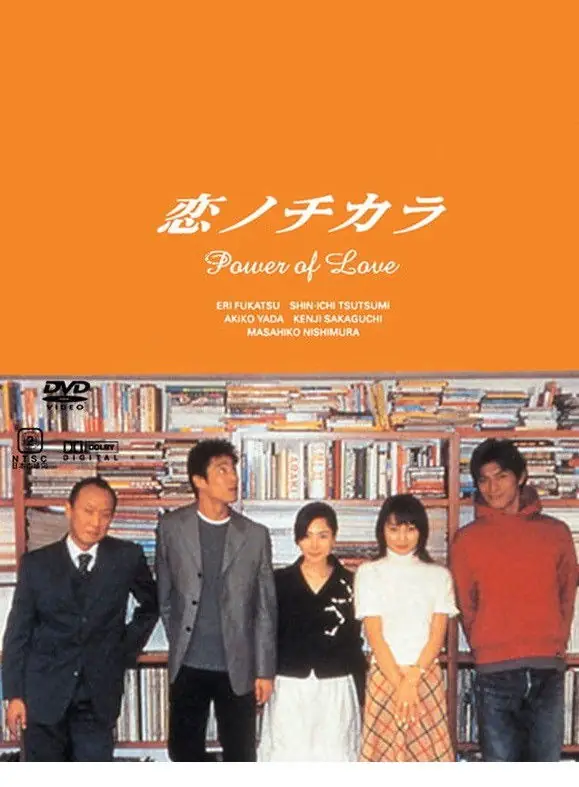
Power of Love